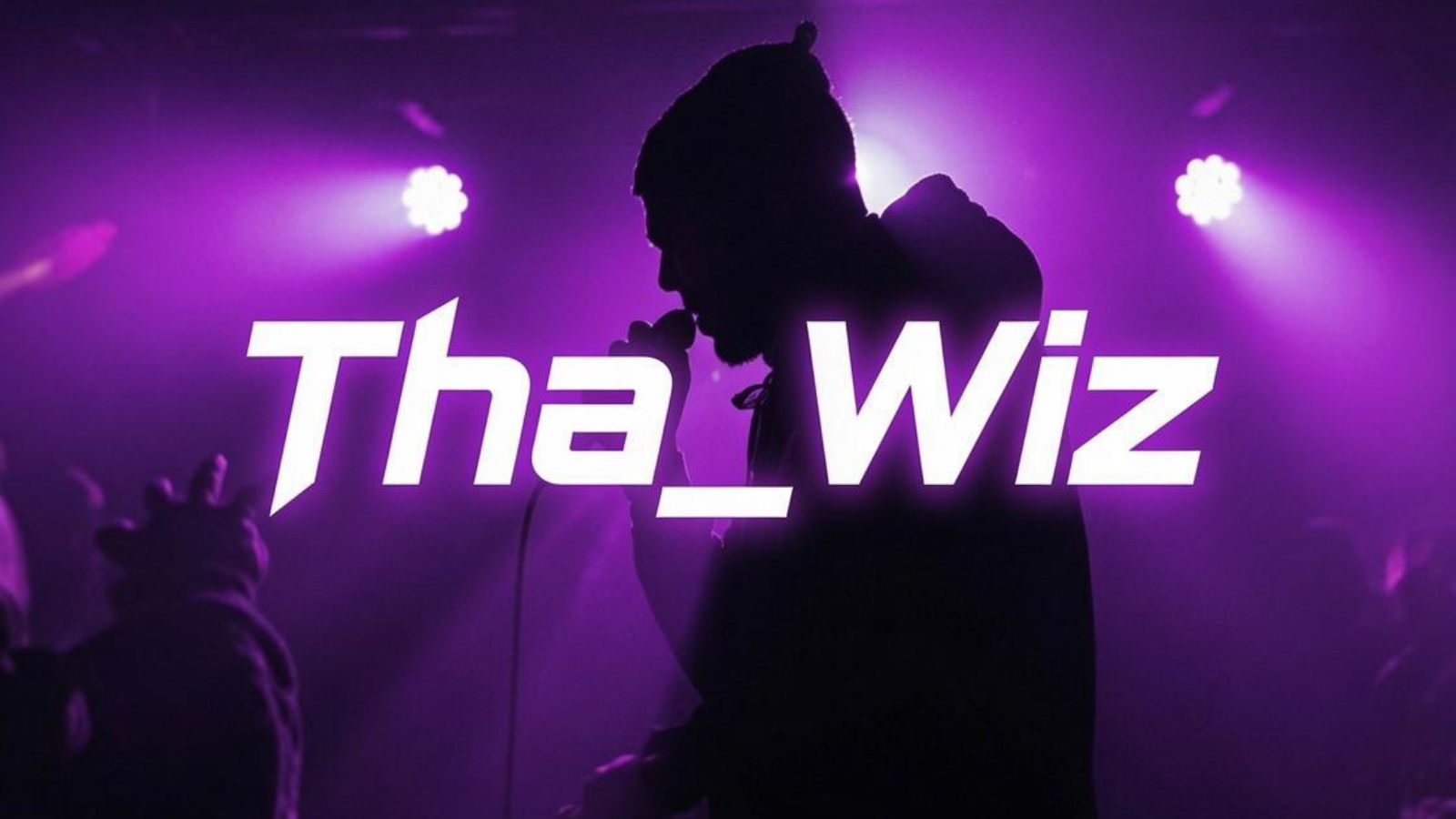
Tommy, known artistically as Tha_Wiz, defines his identity through hip hop culture, shaped by experiences across Italy, the United Kingdom, and the United States. His approach to music is rooted in independence, instinct, and a strong connection to classic rap aesthetics.
We start from the name: why “Tha_Wiz” and what does it represent for you? The name comes from outside music. It was given to me in 2001 by a basketball teammate during my years playing the sport. For me, it connects two central parts of my life: basketball and hip hop culture. It represents both my athletic mindset and my lyrical identity, and it has stayed with me ever since.
How would you describe your music to someone listening for the first time? Do you follow a specific genre or work through contamination? My first contact with rap came in the mid-1990s through cassette tapes and underground circulation. Early influences included Neffa, Frankie hi-nrg mc, Jovanotti, Colle der Fomento, Kaos, and OTR, before expanding into US hip hop. I developed a strong connection with the New York sound, especially artists like Nas, Mobb Deep, Wu-Tang Clan, M.O.P., Boot Camp Clik, and producers such as DJ Premier. Despite this wide range of influences, I don’t aim for stylistic fusion. My direction stays rooted in classic hip hop, where soul, funk, jazz, and blues are cultural foundations rather than intentional contamination.
Where do your lyrics come from and which themes feel most urgent for you today? My writing is driven by necessity rather than strategy. I focus on personal and social themes, often moving between direct expression and metaphor. When I write, I don’t think about the listener first. I follow the emotion and the energy of the beat, and let the lyrics form naturally in that space.
Looking at your path, was there a moment that changed your approach to music? My experience in London was a key turning point. That period pushed me to write more consistently and take recording and performance more seriously. It also gave me the chance to perform more often and develop my artistic discipline. Live shows, in particular, remain central to my identity as an artist.
You have had experiences between the UK and the US. How have they influenced your sound and mindset? Those experiences were very formative. They allowed me to connect with people who share the same passion for hip hop across different countries. For me, this confirmed that hip hop is a global language that transcends geography and connects artists through shared expression.
Do you think artists today need international exposure to truly grow? In today’s industry, artists are often pushed to adapt their sound to external expectations, which can lead to compromises. That’s not something I fully identify with. I prefer to stay true to my own sound, even when it doesn’t align with commercial trends.
How do you see the current music scene in Italy? Is there space for something new? In my view, hip hop in Italy remains a niche, while much of mainstream music feels heavily categorized and repetitive. I believe innovation is limited in the current landscape, where formulas often replace originality.
Would you see yourself in mainstream contexts like Sanremo, or do you feel closer to independent festivals? I feel more aligned with independent and underground contexts, where music keeps a more direct and authentic energy, closer to its original intent and free from commercial filters.
What is your view on AI in music: opportunity or risk? Are artists more in control today or less? I see AI as part of the present, but not as a replacement for artistic identity. Tools evolve, but the difference between control and being controlled in the creative process has always existed. Today, it’s simply more visible.
Looking ahead, what do you want to leave with your music and what is your next step? For me, music is timeless and deeply personal. It exists beyond trends and commercial logic. My next step is a solo project that includes production work, a full album, and collaborations with MCs and beatmakers, while keeping a consistent artistic direction rooted in my identity.