
BAD WAITRESS: Inside the Hollow, Where Isolation, Identity and Uncertainty Become Punk
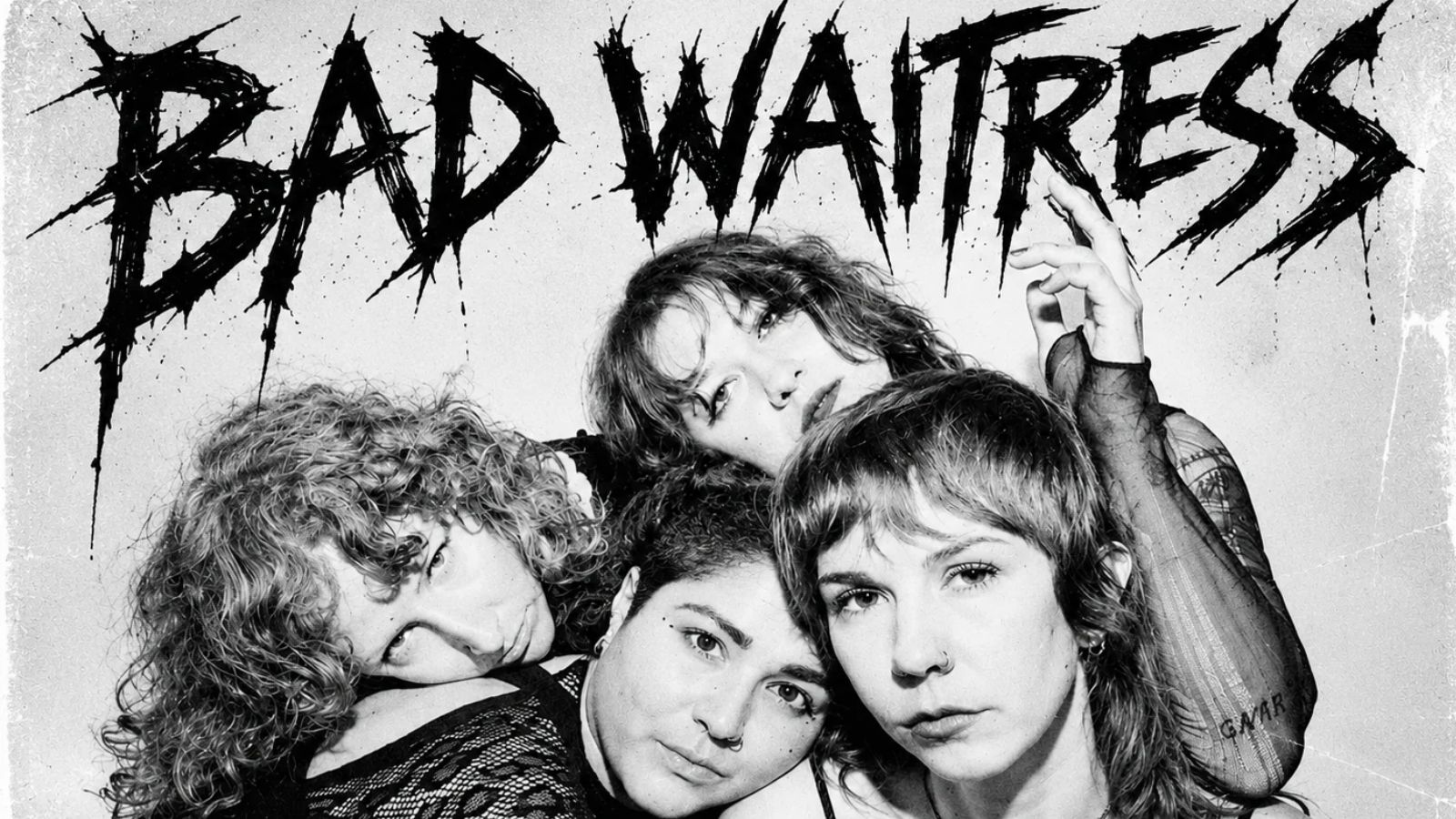
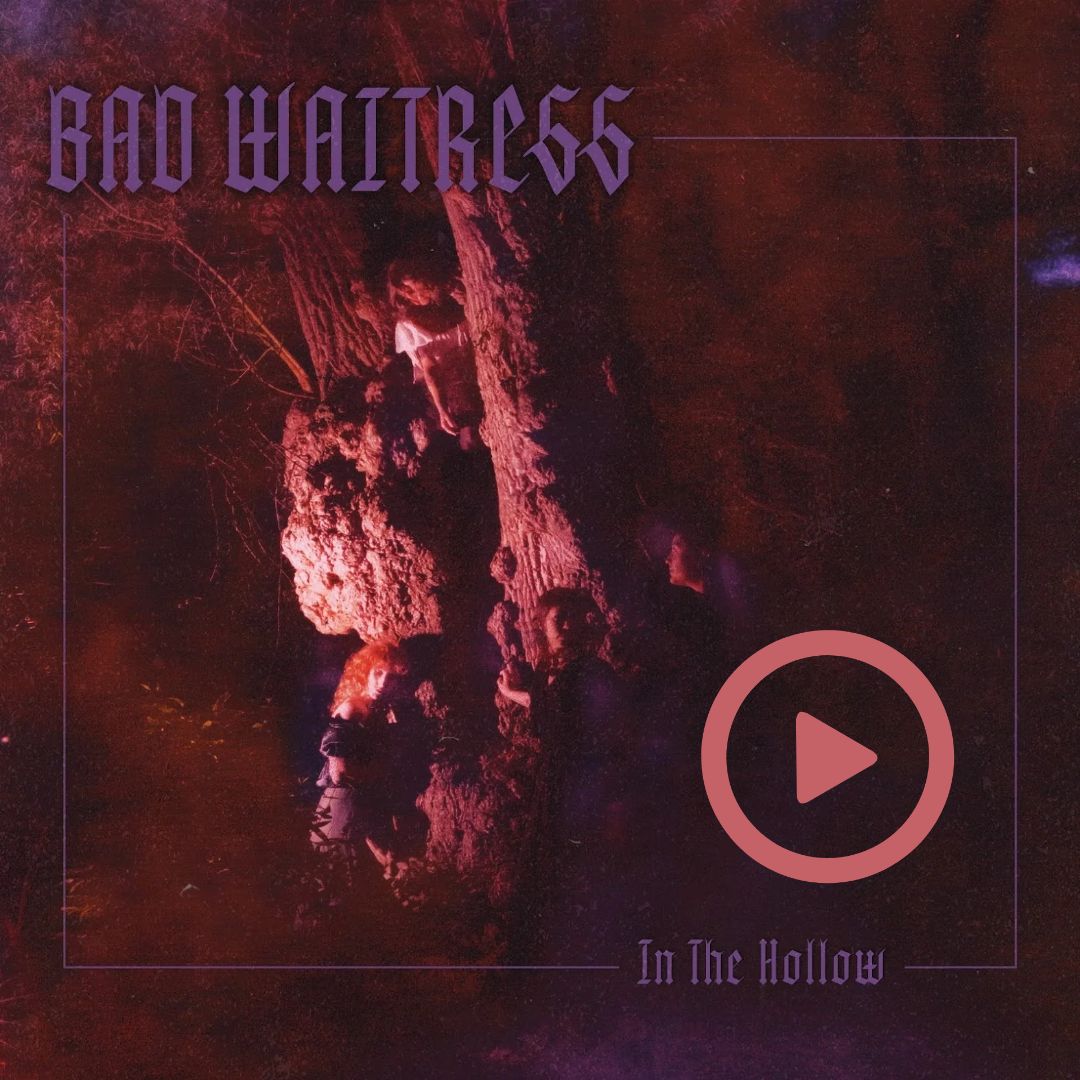
Toronto’s Bad Waitress return with a darker, more introspective sound. Their new album, In The Hollow, explores identity, broken relationships and the complicated process of moving forward.
Five years can change a lot. Relationships end, memories shift and people become strangers. Sometimes, even the person you used to be feels unfamiliar.
Toronto punk quartet Bad Waitress explore these feelings on In The Hollow, their new ten-track album released October 30 via Stomp Records. It’s their first full-length record since 2021’s No Taste. This time, the band take a more introspective approach without losing their trademark intensity.
Made up of Kali-Ann Butala, Katelyn Molgard, Moon and Nicole Cain, Bad Waitress have never followed a predictable path. Their music combines punk aggression, dark humour and an instinct for experimentation. On In The Hollow, those qualities remain. However, the band push their sound into darker and more atmospheric territory.
The result is a record that feels both familiar and unexpected.
Bad Waitress Explore a Different Side of Punk
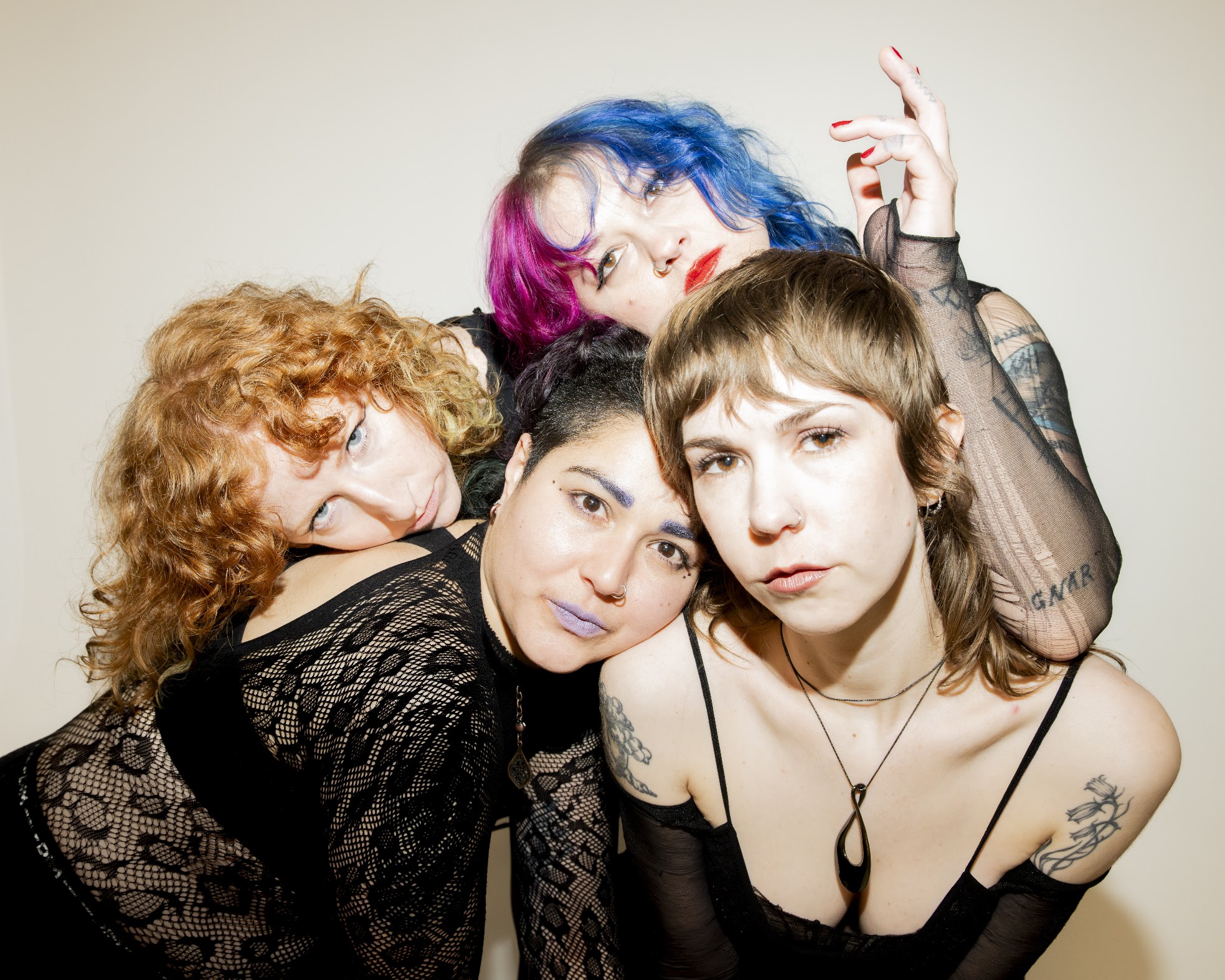
Self-produced by the band and recorded with engineer Josh Korody at Wychwood Sound in Toronto, In The Hollowmoves between several musical styles.
Jagged art-punk meets post-punk tension and rough-edged garage rock. There are also quieter moments, where atmosphere takes priority over aggression.
Fans of L7 and Babes In Toyland will recognise the band’s confrontational spirit. Meanwhile, the angular energy of Wire and Yeah Yeah Yeahs offers another point of reference. METZ also come to mind when the guitars become particularly abrasive.
Yet In The Hollow isn’t simply an exercise in musical influences. Bad Waitress use these sounds to explore something more personal.
The album grew out of several years of isolation and change. During that time, the four members reconsidered relationships, identity, gender and sexuality. They also faced the difficult experience of losing connections that once seemed permanent.
Instead of focusing entirely on those losses, the band examine what comes next.
How do you move forward when the past no longer makes sense? And what happens when the person you are becoming feels completely different from the person you once knew?
These questions run throughout the album.
From Personal Isolation to the Vastness of Nature
The emotional world of In The Hollow also finds inspiration in nature.
Some members of Bad Waitress grew up around the Northwest Territories and the Pacific Northwest. Memories of these places became part of the album’s atmosphere.
Dark forests, distant wilderness and mysterious landscapes appear throughout its creative world. These images contrast with the crowded Toronto spaces where the band developed their sound.
However, nature isn’t simply an escape from personal struggles. Instead, it gives those feelings a different perspective.
Isolation can mean feeling trapped inside your own thoughts. It can also mean standing in an enormous landscape and realising how small you are.
That contrast gives In The Hollow much of its emotional depth.
Inside the Ten Tracks of In The Hollow
 Across ten songs, Bad Waitress explore different forms of connection, frustration and personal change. Each track approaches these themes from a different angle.
“Lovin’ Kind” introduces the album with a relationship already falling apart. Attraction and self-preservation pull in opposite directions. Butala’s declaration, “I’m not the lovin’ kind,” sets the tone for a record full of complicated emotions.
The tension continues on “I Only Like You When I’m Drunk.” Here, desire and disgust exist side by side. Intoxication becomes a way to create distance from feelings that are difficult to face.
However, not every relationship on the album is presented as a source of conflict.
On “45,” Bad Waitress reveal a surprisingly tender side. The song follows a flawed character through cigarettes, alcohol and rambling conversations. Beneath the frustration, there is genuine affection.
The lyrics move from “I know he wants to be a better guy” to “I wish I could give him a better life.” It’s a powerful moment because the band don’t force the listener to choose between disappointment and compassion.
Instead, both emotions are allowed to exist.
Dark Humour, Strange Encounters and Uncomfortable Truths
Elsewhere, the band return to the unpredictable humour that has always been part of their identity.
“Galleria Shopping Centre” turns an ordinary shopping trip into a surreal experience. Shoes, coffee, dollar stores and nail appointments become part of a hazy consumerist fever dream.
Its narrator is simply trying to get some shopping done while being far too high to function properly. The result is funny, disorienting and wonderfully chaotic.
In contrast, “The Hunt” takes a much darker direction. Images of bones, guns, spears and storms create an unsettling atmosphere. The song’s references to a heart bleeding black add to its sense of violence and unease.
The title track, “In The Hollow,” introduces another unexpected element: cello.
Performed by Michael Peter Olson, the instrument adds a haunting dimension to the band’s sound. Spiritual imagery gradually turns darker, leading to repeated declarations that “God is dead.”
The song moves through themes of betrayal, graves and mortality. It’s one of the album’s most striking moments.
Low: An Emotional Ending Without Easy Answers
The closing track, “Low,” brings the album to a quieter and more vulnerable place.
The cello returns, while the band’s usual aggression gives way to a more direct expression of emotional exhaustion.
“I feel low / So low.”
The words are simple, but their impact is immediate. The song explores lies, disappearance and emotional dependence. It captures the feeling of waiting for something to change without knowing when that moment will arrive.
There is no dramatic resolution at the end. Instead, Bad Waitress leave the listener with uncertainty.
It’s an effective conclusion to an album that refuses to offer easy answers.
From Toronto’s Underground to Bigger Stages
Bad Waitress have spent years building their reputation in Toronto’s punk scene.
Their 2018 release, Party Bangers: Volume 1, introduced audiences to their unpredictable approach. Three years later, No Taste pushed their sound into heavier territory.
The album earned attention from publications including New Noise Magazine and Exclaim! for its aggressive energy and evolving musical direction.
Since then, the quartet have shared stages with Jack White, Subhumans, Viagra Boys and Amyl and the Sniffers.
These experiences have taken Bad Waitress beyond their original underground surroundings. Yet their latest album shows that they aren’t interested in simply repeating what worked before.
Where No Taste channelled anger into explosive punk, In The Hollow makes room for reflection and uncertainty.
The guitars still hit hard. The humour is still there. But the emotional landscape has changed.
Why In The Hollow Matters
What makes In The Hollow interesting is its refusal to follow a predictable emotional journey.
Bad Waitress move between aggression, vulnerability and absurdity without trying to make everything fit neatly together. Some songs are confrontational. Others are unexpectedly tender. A few feel deliberately uncomfortable.
That variety gives the album its personality.
The band have also expressed their hope that these songs will help listeners process their own experiences. They want the record to encourage empathy for people with different perspectives.
It’s a meaningful idea, especially on an album concerned with identity and personal transformation.
Ultimately, In The Hollow isn’t about finding a perfect ending. It’s about accepting that change can be confusing, painful and sometimes necessary.
Bad Waitress have created a record that embraces those contradictions. They don’t pretend to have everything figured out. Instead, they turn that uncertainty into ten tracks of raw, unpredictable punk.
And sometimes, that’s exactly where the best music begins.
Listen to Bad Waitress and explore their music and merchandise: Official Bad Waitress links.



About NZIRIA
NZIRIA is an independent cultural and music platform dedicated to discovering and sharing artists, music, culture and contemporary creative projects.
Through its editorial work, NZIRIA connects emerging and established voices with an audience interested in new music, independent culture and the stories behind the artists.
Follow NZIRIA.com for more music stories, releases and cultural discoveries.